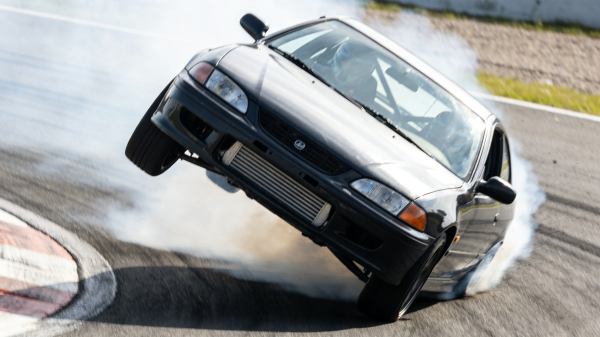
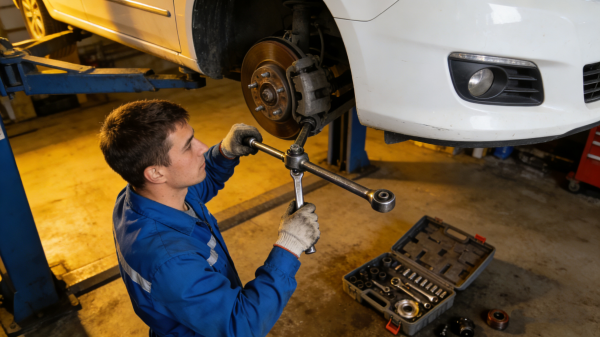
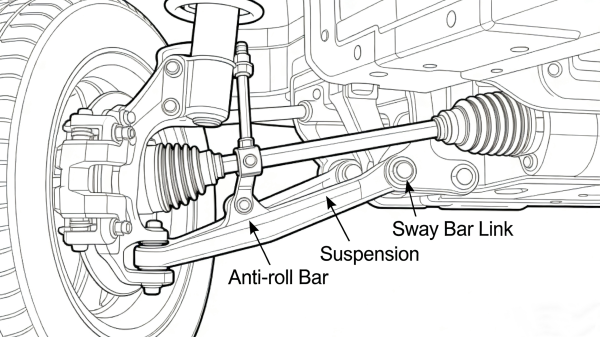
 The stabilizer link, often referred to as a sway bar link, is an indispensable component of a vehicle’s suspension system. Though small in size, this part plays a monumental role in maintaining vehicle stability, handling precision, and overall driving safety. It serves as the vital connecting link between the sway bar (anti-roll bar) and the vehicle’s suspension components, including control arms and struts. Every time you navigate a curve, drive over a pothole, or traverse an uneven road surface, the stabilizer link works tirelessly to minimize body roll, distribute weight evenly across the tires, and ensure your car remains grounded and controllable. Given its constant exposure to road debris, vibrations, extreme temperatures, and repeated mechanical stress, the stabilizer link is prone to wear and tear over time. Unfortunately, many drivers lack awareness of its function and the red flags that signal failure, often dismissing early warning signs as minor nuisances until catastrophic damage occurs. Driving with a faulty stabilizer link not only compromises ride comfort but also poses severe safety hazards, including reduced steering responsiveness, increased risk of skidding, and even loss of vehicle control in emergency situations. In this comprehensive guide, we will delve deep into the five most common signs of a bad stabilizer link, explore the underlying causes of failure, discuss the risks of delayed replacement, outline the replacement process, and highlight why high-quality aftermarket stabilizer links are the ideal choice for Japanese and Korean automotive models.
What Is a Stabilizer Link and How Does It Function?
Before examining the symptoms of a failing stabilizer link, it is critical to understand its core functionality within the suspension system. The sway bar, a rigid metal bar spanning the width of the vehicle’s chassis, is designed to reduce body roll during cornering. Body roll occurs when centrifugal force pushes the vehicle’s weight toward the outer wheels during turns, causing the car to lean excessively and reducing tire contact with the road. The stabilizer link acts as the intermediary that attaches the sway bar to the suspension, transferring the force from the bar to the wheels and vice versa. When one side of the suspension compresses (such as when hitting a bump), the sway bar twists, and the stabilizer link transmits this motion to the opposite side, keeping the vehicle level and stable.
This component is typically constructed from high-strength steel, featuring ball-and-socket joints at both ends to accommodate the suspension’s constant up-and-down and side-to-side movement. These joints are equipped with rubber or polyurethane bushings that absorb minor vibrations and reduce friction. However, these bushings and ball joints are the first parts to degrade, as they are constantly subjected to friction, moisture, salt, dirt, and the impact of rough roads. Over time, the bushings crack, dry out, or tear, while the ball joints develop excessive play, leading to a breakdown in the stabilizer link’s performance. Even minor damage to this part can disrupt the entire suspension system’s balance, creating a domino effect that impacts steering, tire wear, and overall handling.
The Top 5 Symptoms of a Bad Stabilizer Link
Recognizing the early signs of a failing stabilizer link is key to preventing costly repairs and safety incidents. Below, we break down the five most prevalent symptoms, explaining why they occur and how they manifest during everyday driving.
1. Clunking or Rattling Noise from the Front Suspension, Especially Over Bumps
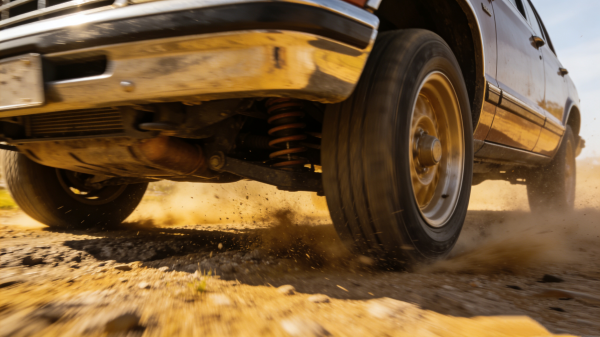 The most immediate and noticeable sign of a bad stabilizer link is abnormal noise emanating from the front suspension. Drivers often report a distinct clunking, rattling, or knocking sound that intensifies when driving over bumps, potholes, rough asphalt, or even minor road imperfections. In some cases, the noise may also occur when turning the steering wheel at low speeds, such as when parking or maneuvering in tight spaces.
This noise is directly caused by the degradation of the stabilizer link’s bushings and ball joints. As the rubber bushings wear out or tear, they lose their ability to cushion movement, creating metal-to-metal contact between the link and surrounding suspension components. Excessive play in the ball joints allows the link to move freely, resulting in repeated impacts that produce the characteristic clunking sound. Many drivers mistake this noise for issues with the struts, shocks, or control arms, leading to misdiagnosis and unnecessary repairs. It is important to note that the noise is most pronounced at the front of the vehicle, as stabilizer links in the front suspension bear more stress during steering and cornering compared to rear links. Ignoring this sound will only accelerate wear, eventually leading to the link completely separating from the sway bar or suspension.
2. Loose or Vague Steering That Feels Less Responsive Than Normal
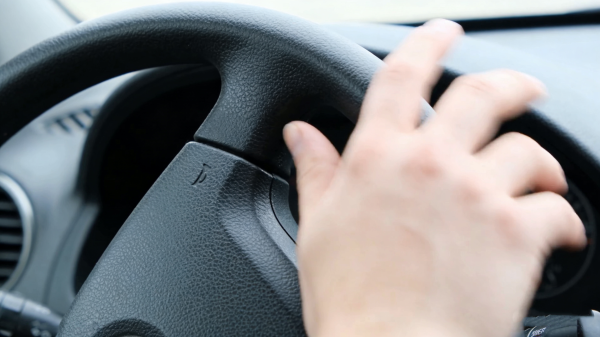
A properly functioning stabilizer link contributes directly to precise steering feedback and responsiveness. When the link fails, drivers often describe the steering as feeling loose, vague, or disconnected, with a noticeable delay between turning the steering wheel and the car’s actual response. This lack of precision is particularly evident when driving at highway speeds or making slight steering adjustments to stay in lane.
The root cause of this issue lies in the compromised connection between the sway bar and suspension. A worn stabilizer link cannot effectively transfer the forces generated during steering, causing the suspension to move independently rather than in unison. This disconnect creates slack in the steering system, making the car feel sluggish and difficult to control. For drivers accustomed to a tight, responsive steering feel, this change can be disconcerting and dangerous, especially in situations that require quick, accurate steering inputs, such as avoiding obstacles or navigating sharp curves. Over time, this loose steering can also lead to driver fatigue, as constant corrections are needed to maintain the vehicle’s path.
3. Excessive Body Roll When Turning Corners
One of the primary functions of the stabilizer link is to minimize body roll, so excessive leaning during turns is a clear indicator of failure. When driving around corners, whether on city streets or winding rural roads, drivers may notice the car leaning significantly toward the outer wheels, a sensation that feels unstable and unnerving. In severe cases, the body roll can be so pronounced that passengers feel as though the vehicle is about to tip or skid.
Under normal conditions, the sway bar and stabilizer link work together to counteract centrifugal force, keeping the vehicle’s chassis level. A damaged stabilizer link breaks this connection, rendering the sway bar ineffective. Without the bar’s stabilizing force, the vehicle’s weight shifts uncontrollably to the outer tires during turns, increasing body roll and reducing tire grip. This not only compromises handling but also increases the risk of understeer or oversteer, where the car fails to follow the intended steering path. For larger vehicles, such as SUVs and crossovers, excessive body roll is even more hazardous, as these models have a higher center of gravity and are more prone to instability during cornering.
4. Uneven Tire Wear on the Front Tires
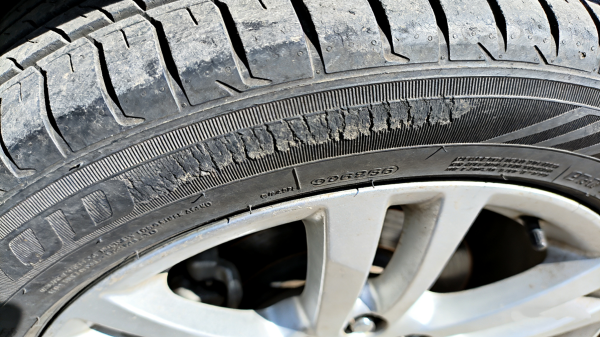
A failing stabilizer link disrupts the suspension’s alignment and weight distribution, leading to uneven and premature tire wear on the front tires. This symptom may not be immediately obvious to drivers, as tire wear occurs gradually over time, but it is a costly consequence of neglected stabilizer link issues. Common patterns of uneven wear include inner or outer edge wear, cupping, or scalloped wear patterns across the tire tread.
When the stabilizer link is worn, the suspension cannot maintain proper wheel alignment, causing the tires to sit at an incorrect angle relative to the road surface. This misalignment means the tires do not make full, even contact with the pavement, leading to uneven friction and wear. Additionally, the increased body roll and unstable handling force the tires to bear weight unevenly, accelerating wear on specific areas of the tread. Uneven tire wear not only shortens the lifespan of the tires, requiring early replacement, but also reduces traction, especially on wet or slippery roads. Bald or unevenly worn tires are more susceptible to hydroplaning and blowouts, further elevating safety risks for drivers and passengers.
5. Vibration in the Steering Wheel at Low or Medium Speeds

Many drivers experience steering wheel vibration as a symptom of a bad stabilizer link, particularly when driving at low to medium speeds (between 20 to 60 kilometers per hour). This vibration may be mild at first, resembling the feeling of driving on a rough road, but it intensifies as the stabilizer link’s condition deteriorates. Unlike vibration caused by unbalanced tires or bent wheels, this vibration is often accompanied by the other symptoms listed above, such as clunking noises and loose steering.
The vibration stems from the excessive play and instability in the suspension system. A worn stabilizer link allows the front suspension to oscillate and vibrate uncontrollably, with these vibrations transferring directly to the steering wheel through the steering column. This not only creates an uncomfortable driving experience but also indicates that the suspension system is no longer functioning as a cohesive unit. Prolonged vibration can also damage other steering and suspension components, including tie rods, ball joints, and strut mounts, leading to more extensive and expensive repairs down the line.
What Causes Stabilizer Link Failure?
Understanding the common causes of stabilizer link failure can help drivers take preventive measures and extend the lifespan of this critical component. The primary causes include:
Normal Wear and Tear: Like all mechanical parts, stabilizer links have a limited service life, typically ranging from 80,000 to 100,000 kilometers. Constant movement and stress eventually cause bushings and ball joints to degrade.
Road Conditions: Frequent driving on rough roads, potholes, unpaved surfaces, or roads filled with debris subjects the stabilizer link to excessive impact, accelerating wear.
Environmental Factors: Moisture, road salt, dirt, and extreme temperatures corrode the metal components and break down rubber bushings, especially in regions with harsh winters or coastal climates.
Poor Quality Parts: Low-quality OEM or aftermarket stabilizer links use inferior materials and substandard manufacturing, leading to early failure.
Improper Installation: Incorrect installation, including over-tightening or misaligning the link, can cause premature wear and damage.
The Stabilizer Link Replacement Process: Simple and Affordable
Contrary to common misconceptions, stabilizer link replacement is a straightforward, cost-effective repair that does not require extensive mechanical expertise or specialized equipment. For experienced DIY enthusiasts, the replacement can be completed in a home garage with basic tools, while professional mechanics typically finish the job in under an hour per link, making labor costs minimal.
The standard replacement process involves the following steps:
Vehicle Preparation: The car is raised on a jack or lift, and the front wheels are removed to access the suspension components.
Removal of the Old Link: The nuts and bolts securing the stabilizer link to the sway bar and suspension are loosened and removed. In cases of severe corrosion, a penetrating oil may be used to loosen stuck fasteners.
Inspection of Related Components: The mechanic inspects the sway bar bushings, struts, and control arms for additional wear to ensure no other issues are present.
Installation of the New Link: The new high-quality stabilizer link is installed and tightened to the manufacturer’s recommended torque specifications to ensure a secure fit.
Reassembly and Testing: The wheels are reattached, the vehicle is lowered, and a test drive is conducted to verify that all noises and handling issues have been resolved.
One of the greatest advantages of this repair is its affordability. Unlike major suspension repairs such as strut or control arm replacement, stabilizer links are inexpensive parts, and the short labor time keeps overall costs low. This accessibility makes it easy for drivers to address the issue promptly, avoiding the risks and expenses associated with delayed repairs.
Why High-Quality Aftermarket Stabilizer Links Are Ideal for Japanese and Korean Cars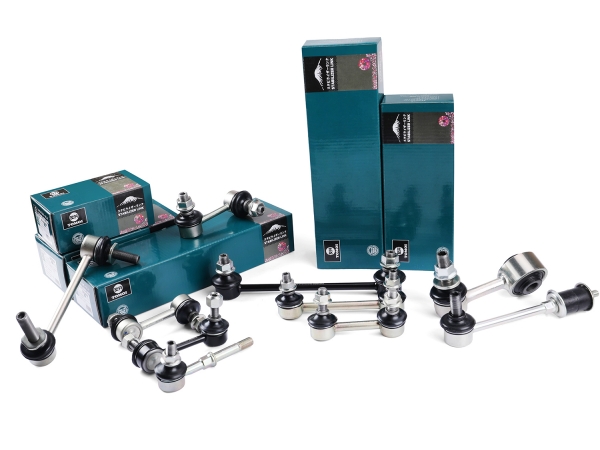
For owners of Japanese and Korean vehicles, including Toyota, Honda, Nissan, Hyundai, and Kia, high-quality aftermarket stabilizer links offer exceptional performance, durability, and value compared to original equipment manufacturer (OEM) parts. These aftermarket parts are designed to meet or exceed OEM specifications, ensuring a perfect fit and seamless compatibility with the vehicle’s suspension system.
Manufacturers of premium aftermarket stabilizer links use high-grade steel for the main shaft and durable polyurethane or reinforced rubber bushings that resist wear, corrosion, and environmental damage better than standard OEM components. These materials extend the service life of the link, reducing the frequency of replacements and long-term costs. Additionally, aftermarket options are often more readily available and affordable than OEM parts, without compromising on quality or performance.
Japanese and Korean cars are renowned for their reliability and longevity, and high-quality aftermarket stabilizer links complement this reputation by providing consistent performance in all driving conditions. Whether you drive a compact sedan like the Honda Civic or Toyota Corolla, a family SUV like the Hyundai Santa Fe or Kia Sorento, or a pickup truck like the Nissan Frontier, these aftermarket links deliver the stability and handling precision these vehicles are known for.
Conclusion: Prioritize Stabilizer Link Inspections for Safe Driving
The stabilizer link may be a small component, but its role in vehicle safety and performance cannot be overstated. The five common signs of a bad stabilizer link—clunking noises from the front suspension, loose or unresponsive steering, excessive body roll, uneven front tire wear, and steering wheel vibration—are clear warnings that demand immediate attention. Delaying repairs not only compromises your safety and driving comfort but also leads to costly secondary damage to other suspension parts and premature tire replacement.
Thankfully, stabilizer link replacement is a simple, affordable solution that restores your vehicle’s stability and handling. For owners of Japanese and Korean cars, investing in high-quality aftermarket stabilizer links ensures long-lasting performance and peace of mind on the road. If you notice any of the symptoms outlined in this guide, do not delay—schedule a professional inspection of your stabilizer links immediately. By addressing issues early, you can protect your vehicle, avoid expensive repairs, and ensure a safe, smooth driving experience for years to come. Regular suspension inspections, including checks of stabilizer links, should be a part of your routine vehicle maintenance, just like oil changes and tire rotations, to keep your car in optimal condition and safeguard the safety of everyone on board.